Regular Cleaning in the Home: Why It Matters, How It Helps, and How to Make It Work
Keeping a home clean is about far more than appearance. Regular cleaning supports healthier indoor air, reduces stress, protects your belongings, and makes daily life more comfortable. Whether you live in a small apartment or a busy family house, a consistent regular cleaning routine can make your space feel calmer, safer, and more welcoming.
Many people think of cleaning as a chore that only needs attention when things start to look messy. In reality, regular cleaning prevents dirt from building up, helps surfaces last longer, and reduces the time needed for major cleanup later. A well-planned approach also makes it easier to stay organized and maintain a tidy environment without feeling overwhelmed.
In this article, we’ll explore the value of regular cleaning, the benefits it brings to homes and lifestyles, practical cleaning habits, and smart ways to keep your space fresh all year. You’ll also find tips for building routines that are realistic, efficient, and easy to stick to. If you’ve been looking for a better way to maintain your home, this is the right place to start.
The Real Value of Regular Cleaning
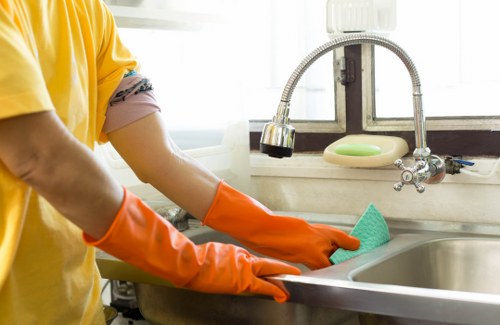
Regular cleaning creates a foundation for a healthier and more pleasant living space. Dust, allergens, grime, and bacteria can collect quickly on floors, countertops, bathrooms, and high-touch surfaces. When you stay consistent with cleaning, you reduce the buildup before it becomes difficult to manage.
Beyond hygiene, regular cleaning helps preserve the condition of your home. Carpets, upholstery, appliances, and fixtures all benefit from routine care. A clean environment can also improve your mood and help you feel more in control of your day. Many homeowners notice that a tidy home supports better focus, smoother routines, and less frustration.
Another major benefit is time savings. It may seem surprising, but regular cleaning often takes less effort overall than occasional deep cleaning. When tasks are spread out, they remain manageable. Instead of spending hours trying to catch up, you can focus on small, practical habits that keep your home in good shape consistently.
How Regular Cleaning Supports Health and Comfort

A clean home contributes directly to better living conditions. Dust and debris can trigger discomfort for people with allergies, asthma, or sensitivities. By maintaining regular cleaning, you reduce exposure to particles that may affect breathing and overall comfort. This is especially important in bedrooms, living areas, and spaces used by children or pets.
Bathrooms and kitchens need particular attention because they are more likely to collect germs, moisture, and residue. Consistent cleaning helps limit odors, mold growth, and bacteria on common surfaces. Wiping counters, disinfecting sinks, and caring for floors are all part of maintaining a healthy home environment.
There is also a psychological benefit. Living in a clean, orderly space can lower stress and create a stronger sense of calm. Many people find that regular cleaning helps them feel more prepared for guests, more relaxed after work, and more motivated to take care of other responsibilities. It is a simple habit with a big impact.
Key comfort benefits of regular cleaning
- Improves indoor air quality by reducing dust and allergens
- Minimizes unpleasant odors in kitchens, bathrooms, and trash areas
- Creates a more relaxing and inviting atmosphere
- Helps keep pests away by reducing crumbs and clutter
- Supports cleaner surfaces and fresher fabrics throughout the home
Building a Regular Cleaning Routine That Works
The best cleaning routine is the one you can actually maintain. Many people try to do too much at once and end up abandoning their plan. A better strategy is to divide regular cleaning into simple daily, weekly, and monthly tasks. This creates structure without making the process feel exhausting.
Start by identifying the areas that matter most in your home. For most households, these are the kitchen, bathroom, floors, dust-prone surfaces, and common areas. Once you know your priorities, assign tasks to different days of the week. A small daily effort can prevent big weekend cleanup sessions.
It also helps to be realistic about your lifestyle. A family with children may need a slightly different routine than a single professional or a couple living in a small apartment. The goal is not perfection. The goal is consistency. Regular cleaning becomes much easier when it fits naturally into your schedule.
Sample weekly task structure
- Daily: wipe counters, load dishes, tidy common areas, and sweep high-traffic spots
- Twice a week: clean bathrooms, vacuum rugs, and sanitize frequently touched surfaces
- Weekly: mop floors, change bedding, dust furniture, and take out trash
- Monthly: clean appliances, organize storage areas, and wash windows or blinds
If you prefer a simpler system, focus on high-impact tasks first. Even 15 to 20 minutes of regular cleaning each day can create visible improvement over time. What matters most is that the routine stays consistent enough to prevent buildup.
Room-by-Room Regular Cleaning Tips

Different rooms require different cleaning priorities. A room-by-room approach makes regular cleaning more effective because each area gets the attention it needs. By focusing on specific surfaces and habits, you can keep your home cleaner with less effort.
Kitchen: This is one of the busiest spaces in the home, so it benefits from daily upkeep. Wipe counters, clean spills right away, sanitize sinks, and keep floors free from crumbs. Empty trash frequently and pay attention to handles, switches, and appliances that get touched often.
Bathroom: Moisture makes bathrooms a prime area for buildup, so regular cleaning is essential. Scrub sinks, toilets, and showers, and make sure to ventilate the room to reduce mold risk. Keep mirrors clean and replace damp towels often to maintain freshness.
More practical room-specific habits
- Living room: dust electronics, vacuum upholstery, and organize magazines, toys, or remotes
- Bedrooms: change sheets regularly, dust nightstands, and keep floors clear
- Entryway: sweep dirt, store shoes neatly, and clean door handles
- Laundry area: wipe machines, clean lint traps, and keep detergent areas dry
When each room has a clear purpose, cleaning becomes easier to manage. A smart regular cleaning routine keeps clutter from spreading and reduces the need for major cleanups later. Small actions in each room can make the whole house feel more polished.
Why Regular Cleaning Saves Time and Money

Many people assume cleaning is only about appearance, but regular cleaning also protects your budget. Dirt and neglect can shorten the life of carpets, appliances, furniture, and flooring. When you clean these items consistently, you help them stay in good condition for longer. That means fewer repairs, fewer replacements, and better long-term value.
For example, removing dust from vents, wiping down appliances, and cleaning spills promptly can prevent damage that becomes costly over time. Regular care also makes deep-cleaning tasks easier when they do arise. Instead of fighting years of buildup, you’re simply maintaining what is already in good shape.
Time savings matter too. A home that receives regular cleaning is much easier to manage during unexpected events, such as guests arriving or busy workweeks. You spend less time searching for clutter, scrubbing stubborn stains, or reorganizing neglected spaces. Over time, the routine pays off in both convenience and peace of mind.
Another overlooked advantage is reduced mental load. When your home is already tidy, you don’t have to think about as many unfinished tasks. That leaves more energy for family, work, rest, and personal goals. In this way, regular cleaning supports a more balanced lifestyle.
Common Mistakes People Make With Regular Cleaning
Even with the best intentions, it’s easy to fall into habits that make cleaning more difficult than necessary. One common mistake is waiting too long between cleanings. When dirt builds up, the job becomes bigger and less appealing. Keeping up with regular cleaning prevents that cycle from taking over.
Another issue is trying to clean everything at once. This often leads to burnout and inconsistency. A better method is to focus on priority areas and keep tasks short and achievable. It is far better to maintain a simple routine than to create a detailed plan that you cannot follow long term.
People also forget to use the right tools or products. Using a microfiber cloth, a vacuum with attachments, or a gentle cleaning solution can make a major difference. Matching the right method to the right surface helps protect your home and gives better results. A smart approach to regular cleaning is always more efficient than guesswork.
Mistakes to avoid
- Waiting until surfaces are visibly dirty
- Ignoring high-touch areas like handles and switches
- Using too many products or the wrong cleaning agents
- Skipping ventilation in bathrooms and kitchens
- Trying to complete every task in one long session
Regular Cleaning for Busy Households
Busy families, professionals, and shared households often struggle to stay organized. The key is to make regular cleaning practical rather than perfect. When everyone contributes a little, the workload becomes more manageable. Even children can help with age-appropriate tasks such as putting away toys, wiping surfaces, or helping sort laundry.
Setting cleaning expectations for shared spaces can also reduce conflict. If each household member understands what needs to be done and when, the home stays in better shape. Simple checklists and short routines can help everyone stay on the same page.
For especially hectic weeks, focus on what matters most. Clean the kitchen, bathrooms, and floors first, then move to less urgent tasks when time allows. Regular cleaning does not have to look the same every day. It only needs to remain consistent enough to stop mess from building up.
Here are a few time-saving ideas for busy homes:
- Clean for 10 minutes after meals to prevent buildup.
- Use baskets or bins to quickly gather clutter.
- Keep supplies in easy-to-reach locations.
- Assign one task per person each day.
- Handle small spills immediately instead of waiting.
Seasonal and Monthly Cleaning Priorities
While daily and weekly upkeep is important, some tasks only need attention monthly or seasonally. These larger responsibilities are still part of regular cleaning, especially when they help maintain the entire home. Examples include washing windows, cleaning behind furniture, sanitizing trash bins, and checking storage areas for clutter or dust.
Seasonal cleaning is also a great time to rotate clothing, inspect home items, and make decisions about what to keep or donate. These deeper tasks support a more organized and functional space. When paired with lighter weekly habits, they help the home stay fresh year-round.
If you ever feel overwhelmed, think of cleaning in layers. Daily habits keep things stable, weekly routines handle visible buildup, and monthly tasks address overlooked areas. This layered approach makes regular cleaning more sustainable and less stressful in the long run.
Seasonal focus ideas
- Spring: declutter closets, wash fabrics, and clean windows
- Summer: refresh entryways, clean fans, and check ventilation areas
- Autumn: prepare storage spaces and deep-clean high-use zones
- Winter: disinfect frequently touched surfaces and keep floors clear of moisture and debris
Making Regular Cleaning a Lasting Habit
Habits are easier to maintain when they are simple, visible, and rewarding. If you want regular cleaning to become part of your lifestyle, start small and build over time. A few completed tasks every day can establish momentum and make the process feel natural instead of forced.
It may help to link cleaning to another routine you already follow. For example, wipe counters after cooking, tidy the living room before bed, or clean the bathroom after your morning shower. Pairing tasks with existing habits makes them easier to remember and less likely to be skipped.
Tracking progress can also be motivating. A checklist, planner, or simple calendar note can show how much you’re accomplishing. When you see the results of regular cleaning, it becomes easier to keep going. The home looks better, and the routine starts to feel automatic.
For best results, keep your cleaning expectations flexible. Some days will be busier than others, and that is okay. The goal is steady improvement, not flawless execution. When you stay committed to regular cleaning, your home remains more comfortable, more hygienic, and easier to enjoy.
Final Thoughts on the Power of Regular Cleaning
A home does not stay clean by accident. It stays clean through small, repeated actions that prevent mess and clutter from taking over. Regular cleaning is one of the simplest and most effective ways to improve the way your home looks, feels, and functions. It supports health, protects your belongings, and creates a calmer environment for everyone inside.
The best part is that you do not need a complicated system to get started. Begin with the most important rooms, build a routine that fits your schedule, and stay consistent. Over time, these habits become easier and more natural. What once felt like a burden can become a practical part of everyday life.
If you are ready to enjoy a cleaner, fresher, and more organized space, now is the time to take the next step. Contact us today to learn how regular cleaning support can help keep your property in excellent condition. Book your service now and make cleanliness a lasting part of your routine.
Regular cleaning is not just about cleaning more often. It’s about creating a better home, one manageable task at a time.