Oven Cleaning in Modern Homes: Practical Tips, Benefits, and Smart Maintenance
Oven cleaning is one of those household tasks people tend to put off until grease, burnt spills, and stubborn odors make it impossible to ignore. Yet regular oven cleaning does far more than improve appearance. It helps food taste better, reduces smoke, supports energy efficiency, and can even extend the life of the appliance. Whether you cook every day or only on weekends, keeping your oven clean is essential for a safer, more pleasant kitchen.
A well-maintained oven also performs more consistently. When residue builds up on the walls, racks, and heating elements, heat can circulate unevenly, which affects baking and roasting results. Oven cleaning is therefore not just about hygiene; it is also about keeping your meals predictable and your appliance working properly. For many households, a routine cleaning schedule is one of the simplest ways to protect a valuable kitchen investment.
In this article, we’ll look at why oven cleaning matters, the best methods for different types of dirt, how to avoid common mistakes, and when professional oven cleaning may be worth considering. You’ll also find practical tips for keeping your oven cleaner for longer so you can spend less time scrubbing and more time cooking.
Why Oven Cleaning Matters for Every Kitchen

Many people only think about oven cleaning when smoke starts coming out during baking or when a strong burnt smell lingers after dinner. However, by the time those signs appear, grease and food residue have often already accumulated in hard-to-reach areas. The best time to deal with oven cleaning is before the mess becomes extreme.
Built-up grime inside an oven can become baked onto surfaces repeatedly each time the appliance is used. Over time, this can create a thick layer of carbonized residue that is much harder to remove than fresh spills. Regular oven cleaning helps break that cycle and keeps your appliance in better condition.
There is also a food quality angle. A clean oven distributes heat more evenly, which improves browning, texture, and flavor. Oven cleaning can therefore make a noticeable difference in the way your meals turn out, especially for baking and roasting.
Signs Your Oven Needs Attention
Not every dirty oven looks dramatic at first glance. In many cases, the early signs are subtle. One of the most common indicators is smoke during preheating or cooking. This usually means residue is burning off inside the cavity.
Another warning sign is uneven cooking. If one side of a tray browns faster than the other, grease buildup or obstructed airflow may be affecting performance. Strong odors, sticky racks, and discolored glass are also clues that oven cleaning is overdue.
Look out for these common signs:
- Visible burnt-on food or splattered grease
- Smoke coming from the oven during use
- Persistent odors even after cooking
- Dirty or stained oven door glass
- Racks that feel sticky or greasy
- Uneven baking or roasting results
Different Types of Oven Cleaning Methods
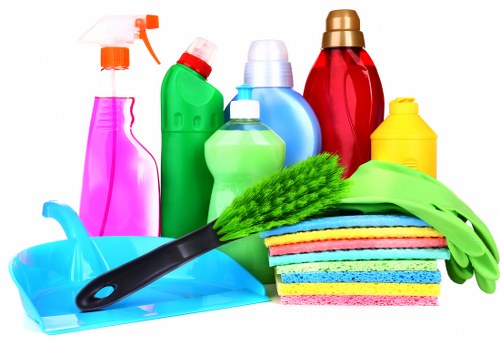
There is no single method for every oven cleaning job. The right approach depends on the appliance type, how dirty it is, and how much time you have. Some people prefer natural solutions, while others rely on commercial oven cleaners or self-cleaning cycles.
One popular approach is manual oven cleaning using warm water, dish soap, baking soda, and a soft scrubber. This method is often suitable for light to moderate dirt. It is gentler on surfaces and avoids the harsh fumes associated with some chemical products.
For heavy buildup, commercial products may be more effective. These cleaners are formulated to break down baked-on grease and carbon deposits. Still, they should be used carefully, following the manufacturer’s instructions. Oven cleaning with chemical products can be very effective, but proper ventilation and surface protection are important.
Self-Cleaning and Steam-Cleaning Options
Many modern ovens include self-cleaning settings. These use very high heat to burn off residue, leaving behind ash that can be wiped away once the oven cools. While convenient, self-cleaning cycles can produce strong odors and use significant energy. They are best used occasionally, not constantly.
Steam-cleaning is another option available on some models. It uses water and heat to loosen grime, making cleanup easier. This is generally a milder method than pyrolytic self-cleaning and may be preferable for lighter maintenance.
Step-by-Step Oven Cleaning Process
A structured approach makes oven cleaning much easier. Instead of scrubbing randomly, work through the appliance in stages so you can clean efficiently and avoid missing hidden areas. Preparation is especially important because it protects surfaces and improves results.
Start by switching off the oven and allowing it to cool completely. Remove racks, trays, and any loose accessories. Place towels or newspaper beneath the oven door if you want to catch drips during the process. This small step can save time later.
For a basic manual clean, follow this order:
- Remove loose crumbs and debris with a dry cloth or handheld vacuum.
- Apply your chosen cleaner to the interior surfaces.
- Let the product sit so it can soften grease and grime.
- Scrub gently with a non-abrasive sponge or cloth.
- Wipe away residue with a damp cloth.
- Dry the oven thoroughly before use.
Cleaning Oven Racks and Door Glass
Racks often need separate attention because they collect grease on all sides. Soaking them in hot water and dish soap can loosen residue before scrubbing. If stains are heavy, baking soda paste or a specialized degreaser can help.
Oven door glass should be cleaned with care. A paste made from baking soda and water can be applied to the glass and left for a short period before wiping away. Avoid scratching the surface with steel wool or harsh pads. A clear door makes it easier to monitor cooking and improves the overall look of the appliance.
Natural Oven Cleaning Solutions That Work

For households that prefer gentler cleaning methods, natural solutions can be an excellent choice. Baking soda is one of the most popular options because it helps loosen grease without producing strong odors. When mixed with water, it creates a spreadable paste that clings to interior surfaces.
Vinegar is often used alongside baking soda. After the paste has had time to work, a light spray of vinegar can help lift residue and make wiping easier. The reaction between the two ingredients also helps break down some stubborn buildup. While not a miracle solution, it is a practical choice for routine oven cleaning.
Lemon is another useful ingredient. Its natural acidity and fresh scent can help cut through mild grease while reducing stale odors. Some people place a bowl of water and lemon slices in the oven on low heat to soften grime before wiping it away.
How to Use Baking Soda Safely
Although baking soda is gentle, it is still important to use it correctly. A thick paste is usually more effective than a watery mixture. Apply it only to cool surfaces and avoid coating heating elements. Leave it long enough to work, but not so long that it dries into a crust that is difficult to remove.
Oven cleaning with natural methods takes patience, but it is often ideal for regular upkeep and for people who want to minimize strong chemical exposure in the kitchen.
Common Oven Cleaning Mistakes to Avoid
Even well-intentioned cleaning efforts can cause problems if the wrong tools or techniques are used. One of the biggest mistakes is using abrasive pads on delicate surfaces. These can scratch enamel, damage glass, and create areas where grime collects even more easily.
Another mistake is cleaning too aggressively around heating elements, fans, or seals. These components are essential to how the oven works, and damage can reduce efficiency or create safety issues. Always check the manufacturer’s instructions before applying any cleaner to sensitive parts.
It is also wise to avoid mixing different chemical products. Some combinations can create dangerous fumes or reduce the effectiveness of the cleaners. When in doubt, stick to one approved method at a time and ventilate the room well.
Simple Errors That Make the Job Harder
- Waiting too long between cleanings
- Using metal scrapers on interior surfaces
- Skipping the rack and door glass
- Rushing the soaking time for cleaners
- Reassembling the oven before it is fully dry
By avoiding these mistakes, you make oven cleaning safer and more effective while protecting the appliance itself.
How Often Should You Clean Your Oven?
The ideal schedule depends on how frequently you cook. A household that roasts meats, bakes pastries, and uses the oven several times a week will likely need more frequent maintenance than one that uses it only occasionally. As a general rule, wiping down spills after cooking and doing a deeper oven cleaning every few months is a smart approach.
If you notice odors, smoke, or visible buildup sooner, don’t wait. Cleaning small messes early prevents them from turning into stubborn, baked-on deposits. Regular upkeep is often much faster than intensive restoration cleaning later on.
For busy families, setting a routine can help. Some people clean the oven lightly once a month and schedule a deeper clean quarterly. Others prefer to address it whenever they clean the rest of the kitchen. The key is consistency.
A Practical Maintenance Rhythm
- After each use: wipe up fresh spills once the oven is cool.
- Weekly: inspect the interior and door glass for buildup.
- Monthly: remove racks and perform a light oven cleaning.
- Quarterly: complete a deeper clean if needed.
Professional Oven Cleaning: When It Makes Sense
Sometimes oven cleaning is best left to professionals. If the oven has years of accumulated grease, heavy carbon buildup, or stubborn burnt deposits, a professional service may deliver better results in less time. This is especially helpful when the appliance has intricate components or when the owner wants to avoid the physical effort involved.
Professional oven cleaning can also be useful before moving into a new home, after a renovation, or before hosting a major event. A thoroughly cleaned oven creates a better impression and can help ensure the appliance is ready for immediate use.
There is value in expert treatment for ovens that require special care. Different finishes and models respond differently to certain products, and experienced cleaners know how to protect seals, fans, glass, and enamel coatings. If you want a hassle-free result, book your service now and let trained specialists handle the hard work.
What Professional Cleaning Often Includes
- Removal and soaking of racks and trays
- Safe treatment of interior grease and burnt residue
- Cleaning of door glass and seals
- Attention to vents and hard-to-reach spaces
- Reassembly and final inspection
For many households, professional oven cleaning offers peace of mind, convenience, and excellent results.
Oven Cleaning and Kitchen Hygiene
Clean ovens contribute to a cleaner kitchen overall. Grease and smoke released from a dirty oven can settle on nearby surfaces, leaving cabinets, walls, and counters with a sticky film. Keeping the oven in good condition helps reduce this buildup and makes general kitchen cleaning easier.
There is also a hygiene benefit. Food particles that remain inside the oven can attract pests or encourage unpleasant odors over time. Regular oven cleaning lowers these risks and supports a healthier cooking space.
For households with children, shared kitchens, or frequent entertaining, these benefits matter even more. A tidy oven signals good kitchen habits and contributes to a more organized home environment.
Helpful Habits for Better Kitchen Hygiene
- Use baking trays to catch drips whenever possible
- Cover dishes that may splatter
- Clean spills while they are still fresh
- Ventilate the kitchen during heavy cooking
- Wipe the oven exterior and handle regularly
Choosing the Right Products for Oven Cleaning
The best product depends on the level of grime and the oven’s surface material. For light maintenance, mild dish soap and warm water may be enough. For tougher grease, a degreasing formula designed specifically for ovens can save time and effort. Always read labels carefully before applying a product.
If you prefer eco-friendly cleaning, look for non-toxic, low-odor formulas or rely on baking soda-based methods. These choices are often better for homes with sensitive occupants or for people who want to reduce chemical use.
Oven cleaning should always balance effectiveness with safety. The right product can make the task much easier, but using too much can leave residue behind or create unpleasant fumes. Start with the gentlest method that will do the job.
What to Look for in a Cleaner
- Safe for the oven’s interior finish
- Suitable for grease and burnt-on residue
- Easy to rinse or wipe away
- Low odor if ventilation is limited
- Compatible with racks, glass, or enamel surfaces
How to Keep Your Oven Cleaner for Longer
Once the oven is clean, the next goal is keeping it that way. Prevention is much easier than restoration. One of the simplest habits is to clean up spills as soon as the oven cools. Fresh food splatters are far easier to remove than old, baked-on grime.
Using oven-safe liners or trays can also help contain drips, though they should never block vents or interfere with circulation. Regularly checking dishes that are prone to bubbling over can prevent major messes before they happen.
If you cook greasy foods often, consider wiping the oven door and nearby surfaces more frequently. Small, consistent actions reduce the need for intensive oven cleaning later.
Smart Prevention Tips
- Line trays with parchment or foil where appropriate
- Place casseroles on a baking sheet to catch spills
- Don’t overfill dishes that bubble while cooking
- Wipe condensation and splashes promptly
- Schedule regular maintenance before grime builds up
Final Thoughts on Oven Cleaning
Oven cleaning is one of the most practical ways to improve kitchen performance, protect your appliance, and keep cooking enjoyable. Whether you use natural methods, store-bought products, or professional services, the key is to stay consistent. A little regular care goes a long way toward preventing heavy buildup.
Clean ovens look better, smell better, and work better. They help meals cook more evenly and reduce the stress of dealing with smoke, grease, and unpleasant odors. If your oven has started to show signs of buildup, now is the perfect time to act.
Take the first step today: Contact us today or book your service now to make oven cleaning easier, safer, and more effective. A cleaner oven is a better oven, and your kitchen will feel the difference every time you cook.