House Cleaning in Modern Living: Practical Tips, Benefits, and Smart Strategies for a Cleaner Home
House cleaning is more than a routine chore; it is a vital part of maintaining a healthy, organized, and comfortable living space. Whether you are managing a busy household, preparing for guests, or simply trying to keep dust and clutter under control, house cleaning plays a major role in everyday well-being. A clean home supports better air quality, reduces stress, and creates a welcoming environment that feels easier to enjoy.
Today, many homeowners are looking for efficient ways to approach house cleaning without feeling overwhelmed. The good news is that a smart cleaning plan can save time, improve results, and make the process far more manageable. From daily habits to deep-cleaning tasks, the right approach can transform a home’s appearance and atmosphere.
In this article, we will explore the importance of house cleaning, practical cleaning routines, room-by-room strategies, essential tools, and time-saving methods. You will also learn how to maintain a cleaner home with less effort while still achieving impressive results.
Why House Cleaning Matters for Every Home
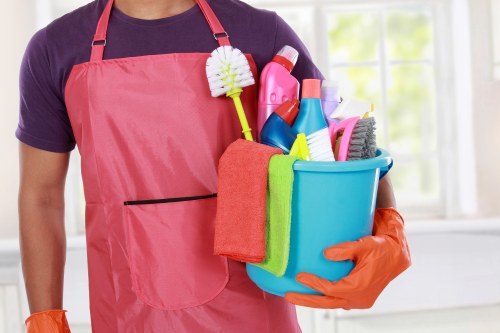
House cleaning affects more than just how a home looks. It directly influences comfort, health, and productivity. A tidy space reduces the buildup of dust, allergens, pet hair, and bacteria. This is especially important for families with children, older adults, or anyone with allergies or respiratory concerns.
Beyond health, house cleaning can improve mental clarity. When surfaces are clear and rooms are organized, people often feel calmer and more focused. Cluttered spaces can create a sense of chaos, while a well-cleaned home supports a more peaceful lifestyle.
There is also a practical side to consistent house cleaning. When dirt and grime are removed regularly, furniture, flooring, and appliances tend to last longer. Routine care helps prevent stains, odors, and wear that can lead to expensive repairs or replacements.
Key benefits of regular cleaning
- Improves indoor air quality
- Reduces allergens and dust buildup
- Creates a more inviting living space
- Supports better organization and productivity
- Helps protect home surfaces and materials
Building an Effective House Cleaning Routine
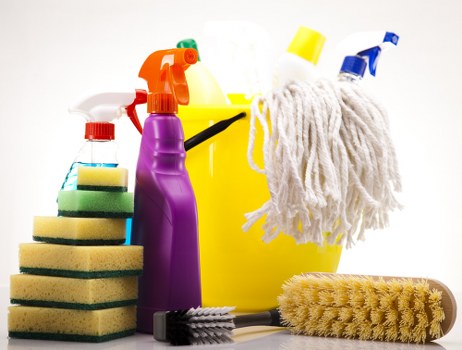
A strong house cleaning routine does not need to be complicated. In fact, the best routines are often simple, realistic, and easy to follow. The goal is to break larger cleaning responsibilities into smaller tasks that can be handled consistently throughout the week.
Many households benefit from dividing cleaning into daily, weekly, and monthly tasks. Daily habits keep mess from piling up, weekly tasks handle the most visible areas, and monthly routines address deeper cleaning needs. This structure helps prevent burnout and makes house cleaning feel more achievable.
It is also helpful to create a cleaning plan based on your household size, schedule, and lifestyle. A family with children and pets may need more frequent cleaning than a single-person home. The best routine is the one that fits your real-life needs.
Sample cleaning schedule
- Daily: Wipe counters, load dishes, sweep high-traffic areas, and tidy clutter.
- Weekly: Vacuum floors, clean bathrooms, dust surfaces, and change bedding.
- Monthly: Deep-clean appliances, wash windows, sanitize switches, and organize storage spaces.
- Seasonally: Clean behind furniture, declutter closets, and refresh carpets or upholstery.
Essential Tools and Supplies for House Cleaning
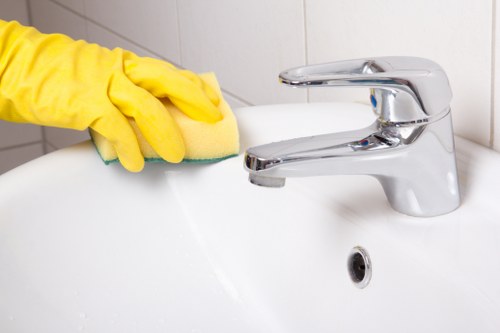
Using the right cleaning supplies can make house cleaning faster and more effective. While there are many products on the market, a basic set of reliable tools is often enough for most homes. Choosing quality supplies also helps reduce frustration and improves overall results.
Some homeowners prefer natural cleaning products, while others use commercial formulas for tougher jobs. Either approach can work well when used correctly. What matters most is knowing which tools are best suited for each surface and task.
Keeping supplies organized in one portable caddy or storage area can also save time. When everything is easy to find, it becomes much simpler to maintain consistent house cleaning habits.
Recommended cleaning essentials
- Microfiber cloths
- All-purpose cleaner
- Glass cleaner
- Disinfecting wipes or sprays
- Vacuum cleaner
- Broom and dustpan
- Mop and bucket
- Scrub brushes
- Rubber gloves
- Storage caddy for supplies
Tip: Always read labels and follow instructions to protect surfaces and ensure safe use of cleaning products.
Room-by-Room House Cleaning Strategies
One of the most effective ways to approach house cleaning is to focus on each room individually. Every area has its own challenges, and a room-specific plan can help ensure nothing gets overlooked. This method also makes large cleaning tasks feel more manageable.
Below are practical ideas for cleaning the most common areas of the home.
Kitchen Cleaning: The Heart of House Cleaning

The kitchen often needs the most attention because it is one of the busiest spaces in the home. Food preparation, spills, grease, and frequent use can cause grime to build up quickly. Effective kitchen house cleaning focuses on both appearance and sanitation.
Start by clearing countertops and removing items that do not belong. Then wipe down surfaces, cabinet fronts, and appliance exteriors. Pay special attention to the sink, stove, and refrigerator handles, as these areas are touched often and can collect bacteria.
For deeper kitchen house cleaning, take time to clean inside the microwave, scrub the stovetop, and empty the refrigerator of expired items. Floors should be swept and mopped regularly to keep crumbs and sticky residue under control.
Kitchen cleaning priorities
- Sanitize countertops and sinks
- Clean appliance surfaces
- Remove food spills immediately
- Wipe cabinet doors and handles
- Sweep and mop floors
Bathroom Cleaning: Hygiene and Freshness
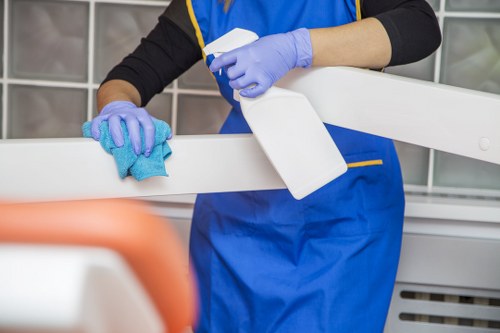
Bathroom house cleaning requires consistent attention because moisture and frequent use can lead to soap scum, mildew, and germs. A fresh bathroom not only looks better but also supports a healthier home environment. Regular cleaning helps prevent buildup that becomes harder to remove over time.
Begin with sinks, faucets, mirrors, and counters. Then move to the toilet, shower, and bathtub. Using separate cleaning tools for the bathroom is a smart way to reduce cross-contamination and maintain sanitary conditions.
Do not forget about hidden problem areas such as grout lines, around fixtures, behind the toilet, and inside storage cabinets. These spots can collect dust and moisture even when the rest of the room appears clean.
Bathroom cleaning checklist
- Scrub sinks, tubs, and showers
- Disinfect the toilet and surrounding area
- Clean mirrors and glass surfaces
- Wipe down counters and fixtures
- Refresh towels and empty trash bins
Living Room and Bedroom House Cleaning Tips
The living room and bedroom are personal spaces where comfort matters just as much as cleanliness. Because these rooms often contain soft furnishings, electronics, books, and decor, house cleaning here should focus on dust removal, clutter control, and regular upkeep.
In the living room, start by organizing items that do not belong. Dust shelves, tables, and entertainment surfaces. Vacuum upholstery and clean under cushions when possible. Electronics should be wiped with appropriate products to avoid damage.
In the bedroom, prioritize bedding, floors, and surfaces that collect dust. Change sheets regularly, vacuum under the bed, and keep nightstands uncluttered. A clean bedroom can improve sleep quality and create a more relaxing atmosphere.
Helpful bedroom and living room habits
- Fold blankets and straighten pillows daily
- Dust furniture and decor weekly
- Vacuum carpets and rugs
- Keep surfaces free from clutter
- Wash bedding on a regular schedule
Deep Cleaning vs. Routine House Cleaning
Not all house cleaning tasks are the same. Routine cleaning focuses on maintenance, while deep cleaning addresses buildup and often-overlooked areas. Both are important, and both contribute to a healthier, more attractive home.
Routine house cleaning includes tasks like wiping counters, vacuuming floors, and dusting. Deep cleaning goes further by targeting spots behind furniture, inside appliances, baseboards, vents, and other areas that may not be cleaned every week.
A balanced strategy uses both approaches. Routine cleaning keeps the home in shape day to day, while deep cleaning resets the environment and removes accumulated dirt. This combination is especially useful for busy households that want consistent results without constant stress.
Deep cleaning tasks to consider
- Wash baseboards and trim
- Clean behind and under furniture
- Scrub tile grout
- Dust vents and ceiling fans
- Clean inside cabinets and drawers
- Wash windows and window tracks
Important: Set aside extra time for deep cleaning so you can work carefully and thoroughly.
Time-Saving House Cleaning Techniques
Many people want a cleaner home but feel short on time. The good news is that smart house cleaning techniques can cut effort without sacrificing quality. The key is to work efficiently and avoid unnecessary repetition.
One effective method is cleaning from top to bottom. Start with higher surfaces like shelves and ceiling fans, then move down to tables, counters, and floors. This prevents dust and debris from falling onto already cleaned areas. Another useful approach is cleaning from the back of the room to the front so you do not trap yourself in corners.
Using timers can also improve productivity. Set a 15- or 20-minute block for quick tasks and you may be surprised at how much gets done. Short cleaning bursts are especially helpful for maintaining a tidy home during busy weeks.
Fast cleaning strategies
- Keep a simple daily reset routine.
- Use baskets to collect and sort clutter quickly.
- Clean one room at a time instead of jumping around.
- Store frequently used supplies in easy-to-access places.
- Focus on high-impact areas first.
House Cleaning and Organization Work Together
Cleaning and organizing are closely connected. A home may look clean at first glance, but if items are scattered everywhere, it can still feel chaotic. Organizing makes house cleaning easier because there are fewer items to move, dust around, and put away.
Start with simple storage solutions such as baskets, drawer dividers, shelf organizers, and labeled bins. Give each item a specific place and make it easier for everyone in the home to return things where they belong. This reduces daily mess and simplifies cleaning routines.
A well-organized home also makes it easier to identify what should be kept, donated, or discarded. When clutter is reduced, house cleaning takes less time and the space often feels larger and more enjoyable.
Organization habits that support cleaning
- Return items to their proper place after use
- Declutter drawers and shelves regularly
- Use vertical storage when possible
- Label bins and containers
- Avoid overfilling storage areas
Eco-Friendly House Cleaning Options
Many homeowners are becoming more interested in eco-friendly house cleaning because it can be gentler on the environment and on indoor air quality. Natural products and simple ingredients can often handle everyday messes effectively when used correctly.
Common eco-friendly cleaning options include vinegar, baking soda, lemon, and microfiber cloths that reduce the need for disposable wipes. These choices can be a practical part of house cleaning for people who want fewer harsh chemicals in their home.
Still, it is important to know that not every natural ingredient works for every surface. For example, acidic products may damage some stones or finishes. Choosing the right solution for the right task is essential for safe and effective results.
Examples of eco-conscious cleaning habits
- Use reusable cloths instead of disposable products
- Choose concentrated formulas to reduce packaging waste
- Open windows for ventilation while cleaning
- Mix only the amount of product you need
- Use gentle methods before stronger chemicals
Common House Cleaning Mistakes to Avoid
Even with good intentions, some cleaning habits can make house cleaning less effective. Avoiding common mistakes can save time and improve results. One frequent issue is using too much product, which can leave residue behind instead of actually cleaning surfaces.
Another mistake is cleaning in the wrong order. For example, vacuuming before dusting can mean you need to clean the floor twice. Using dirty tools is another problem, as it can spread grime rather than remove it. Cleaning cloths, mops, and brushes should be rinsed or replaced regularly.
It is also easy to ignore hidden areas until they become obvious problems. Sticking to a maintenance schedule helps prevent buildup that requires much more effort later.
Cleaning mistakes to watch for
- Using too much cleaner
- Skipping high-touch surfaces
- Cleaning out of order
- Forgetting to clean tools themselves
- Ignoring buildup in corners and edges
When Professional House Cleaning Makes Sense
Sometimes, professional house cleaning is the best option. Busy schedules, large homes, physical limitations, or special events may make outside help a practical choice. Professional cleaners can handle deep cleaning, recurring maintenance, or one-time projects with speed and precision.
Professional house cleaning is also useful when the home needs a fresh start after renovations, a move, or a particularly busy season. In these cases, having experienced help can make a noticeable difference in both appearance and comfort.
Even if you normally handle cleaning yourself, scheduling occasional professional support can reduce stress and keep your home in better condition. It can also give you more time to focus on family, work, or rest.
Situations where professional help can help
- Move-in or move-out cleaning
- Post-renovation cleanup
- Seasonal deep cleaning
- Busy households with limited time
- Homes needing specialized attention
CTA: If your home needs a fresh reset, book your service now and make house cleaning easier to manage.
Creating a Cleaner Home That Lasts
The most successful house cleaning routines are the ones that can be maintained over time. A spotless home for one day is nice, but a cleaner home all year long offers lasting benefits. Building realistic habits is the best way to get there.
Focus on consistency rather than perfection. Small actions repeated regularly can prevent major buildup and make every cleaning session more productive. Over time, these habits become second nature and can significantly improve how your home feels and functions.
Whether you handle everything yourself or choose professional help for specific tasks, the goal is the same: a cleaner, healthier, and more comfortable living space. House cleaning does not have to be overwhelming when it is approached with a clear plan and practical tools.
Simple habits for long-term cleanliness
- Do a quick reset each evening
- Address spills immediately
- Declutter before dirt builds up
- Stick to a weekly routine
- Reassess your cleaning needs each season
Final thought: House cleaning becomes easier when it is built into daily life instead of treated like a massive once-in-a-while project. Start with a routine that fits your home, and adjust as needed to keep your space looking and feeling its best.
CTA: Ready to enjoy a fresher, more organized home? Contact us today and take the next step toward better house cleaning results.