Commercial Cleaning in Modern Business Spaces
Commercial cleaning plays a major role in how businesses look, feel, and function every day. Whether you manage an office, retail store, medical suite, warehouse, or hospitality venue, a clean environment supports productivity, customer confidence, and workplace health. In a busy world where first impressions matter, commercial cleaning is no longer just a back-of-house task; it is an essential part of brand image, operational efficiency, and long-term facility care.
Many organizations underestimate how much professional cleaning affects daily performance. Dust buildup, dirty floors, neglected restrooms, and poor sanitation can quickly create discomfort for employees and visitors. On the other hand, well-maintained facilities promote focus, reduce clutter, and help people feel welcome. That is why businesses increasingly rely on commercial cleaning services tailored to their space, schedule, and industry-specific needs.
From routine janitorial work to specialized sanitation, commercial cleaning in business environments covers a wide range of responsibilities. It can include vacuuming carpets, disinfecting touchpoints, cleaning windows, scrubbing hard floors, removing trash, and deep-cleaning high-traffic areas. The goal is not simply to make a space look good for a day, but to maintain a consistently healthy and professional setting over time.
Why Commercial Cleaning Matters for Every Business

Every business benefits from cleanliness, but the reasons go far beyond appearance. A clean workplace can improve morale, reduce sick days, and create a more organized environment for staff and customers. When commercial cleaning is done well, it supports the entire business experience from the moment someone steps through the door.
Customers notice cleanliness immediately. In retail, hospitality, healthcare, and office settings alike, a tidy and sanitary space builds trust. It signals that the business is careful, responsible, and attentive to detail. For many organizations, commercial cleaning is part of the brand promise, because clients often equate cleanliness with quality.
Another major benefit is risk reduction. Dirt, moisture, and clutter can create slip hazards, odors, pest issues, and surfaces that harbor germs. Professional cleaning helps prevent these problems before they become costly disruptions. In this sense, commercial cleaning services are both a presentation upgrade and a practical safeguard.
The Impact on Health, Productivity, and Safety
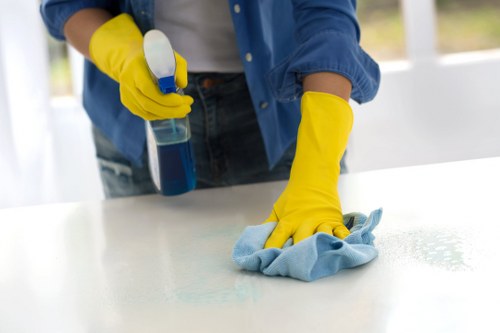
A healthier workplace starts with consistent cleaning habits. Shared desks, conference tables, elevator buttons, break rooms, and restroom surfaces can carry bacteria and viruses if they are not properly cleaned. That is why commercial cleaning often includes disinfecting high-touch points to reduce the spread of illness.
Productivity also improves in a clean environment. Employees are less distracted by mess, less likely to lose time searching for items, and more comfortable working in an organized space. Even the mood of a workplace can change when floors shine, dust is controlled, and rest areas are maintained. Commercial cleaning supports a culture of professionalism and care.
Safety is another important factor. Spills, debris, and poorly maintained flooring can lead to accidents and insurance claims. Commercial cleaning helps keep walkways clear, reduces hazards, and preserves the condition of carpets, tiles, and other surfaces. That means fewer disruptions and better long-term facility performance.
Types of Commercial Cleaning Services

Not all businesses need the same cleaning approach. A small office may require daily dusting and trash removal, while a medical facility may need strict disinfection protocols. The best commercial cleaning plans are customized to match the nature of the space, traffic levels, and compliance expectations.
Common types of commercial cleaning services include janitorial cleaning, deep cleaning, floor care, window washing, post-construction cleanup, restroom sanitation, and specialty disinfection. Some providers also offer eco-friendly cleaning, carpet extraction, upholstery cleaning, and pressure washing for exterior areas. Each service plays a different role in maintaining a safe and attractive business environment.
Choosing the right mix of services ensures that nothing important is overlooked. For instance, a business with heavy foot traffic may need frequent lobby maintenance and floor polishing, while a warehouse may need dust control and debris removal. With commercial cleaning, flexibility matters just as much as consistency.
Routine Janitorial Cleaning
Routine janitorial services form the backbone of most commercial cleaning programs. These tasks are performed on a daily or scheduled basis to keep facilities presentable and sanitary. Typical duties include emptying bins, cleaning restrooms, wiping surfaces, vacuuming, mopping floors, and replenishing supplies.
For many offices and retail spaces, this type of commercial cleaning is enough to keep the environment in good condition between deeper services. The frequency can be adjusted depending on the number of occupants, visitors, and operating hours. A well-designed janitorial plan keeps the facility running smoothly without drawing attention to the work behind it.
Businesses often benefit from having commercial cleaning scheduled after hours so the workplace is ready at the start of the next business day. This minimizes disruption and allows employees to focus on their responsibilities instead of cleanup tasks.
Deep Cleaning and Periodic Maintenance
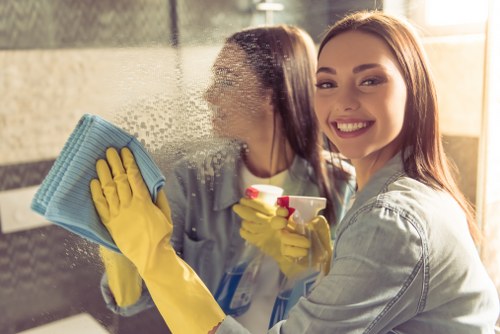
Even the best daily cleaning routines cannot replace periodic deep cleaning. Over time, grime can settle into carpets, corners, grout lines, vents, and hard-to-reach surfaces. Deep commercial cleaning addresses these buildup areas and restores the space more thoroughly than standard maintenance.
Deep cleaning may involve scrubbing, machine polishing, steam cleaning, sanitizing hidden areas, and tackling stubborn dirt that accumulates in high-use zones. It is especially important for businesses that host many clients or operate in industries with elevated hygiene expectations. Regular deep cleaning can also extend the lifespan of materials and equipment.
Many companies schedule deep commercial cleaning quarterly, semiannually, or annually depending on traffic and use. This helps preserve appearance and can reduce the need for costly replacement or repair later. In the long run, maintenance is often more economical than reactive cleaning.
Commercial Cleaning for Different Industries
Commercial cleaning is not one-size-fits-all. Each industry has specific standards, expectations, and challenges. Understanding those differences is essential when building a cleaning plan that truly works.
Office buildings often prioritize desks, meeting rooms, shared kitchens, restrooms, and entry areas. Retail stores focus on floors, glass surfaces, fitting rooms, display areas, and customer-facing zones. Healthcare settings require more rigorous sanitation, specialized products, and strict attention to infection control. Industrial and warehouse spaces may need debris removal, dust management, and safety-focused maintenance.
Because each environment has unique demands, professional commercial cleaning services are often adapted to support the business model itself. A quality provider will understand how the space functions and will build a plan around it, rather than using a generic checklist.
Office Spaces and Corporate Buildings
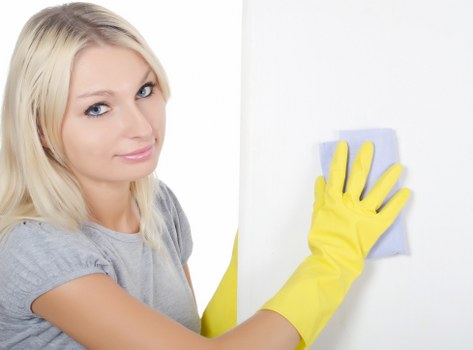
In office spaces, cleanliness contributes directly to employee satisfaction and client perception. Desks, conference rooms, reception areas, elevators, and restrooms must all be maintained to a high standard. Dust on surfaces or clutter in shared areas can quickly make a workplace feel neglected.
Commercial cleaning in corporate environments often includes disinfecting workstations, vacuuming carpets, cleaning glass partitions, and maintaining common rooms. These tasks create a calmer and more organized atmosphere, which can help teams stay productive and focused. Businesses that invest in clean offices also tend to project a stronger, more reliable image.
For larger corporate buildings, cleaning schedules may vary by floor, department, and occupancy levels. A thoughtful commercial cleaning plan ensures that busy areas receive more frequent attention while still covering low-traffic zones effectively.
Retail, Hospitality, and Customer-Facing Spaces
Retail and hospitality businesses depend heavily on appearance. Customers often decide within seconds whether a space feels inviting, and cleanliness is one of the fastest cues they use. Smudged windows, dusty shelves, stained flooring, or dirty restrooms can all impact customer satisfaction.
Commercial cleaning in customer-facing settings must be both visible and efficient. Store entrances, counters, trial rooms, dining areas, and lobbies should be regularly maintained so visitors always encounter a polished environment. In hospitality, especially, the expectation for spotless spaces is extremely high.
For these businesses, professional cleaning is often closely tied to repeat business. When customers feel comfortable and confident in the cleanliness of a venue, they are more likely to return and recommend it to others. Commercial cleaning is therefore an investment in customer experience as much as sanitation.
What to Expect from a Professional Commercial Cleaning Plan
A strong cleaning plan begins with a clear understanding of the property. A provider should assess square footage, flooring types, traffic patterns, restroom usage, and any specialized requirements. This allows the cleaning strategy to be tailored to the facility instead of relying on guesswork.
Most professional commercial cleaning plans include a scope of work, service frequency, task list, and quality-check process. The scope may cover daily tasks, weekly duties, and occasional deep-cleaning needs. Some providers also create zone-based plans that prioritize high-use areas without ignoring quieter sections.
Good communication is crucial. Business owners and facility managers should know exactly what is included, how often it will be done, and what standards are being followed. A reliable commercial cleaning provider will be transparent and consistent, making it easier to maintain expectations over time.
Customization and Scheduling
No two businesses operate on exactly the same schedule, which is why customization matters. Some need cleaning before opening hours, some after closing, and others require daytime support for restrooms or event spaces. A flexible commercial cleaning plan helps avoid interruptions while keeping the site clean when it matters most.
Customization can also include the selection of cleaning products, equipment, and service priorities. A business with sensitive surfaces may need special care, while one with heavy foot traffic may need more frequent floor maintenance. The best commercial cleaning services adapt to these variables without sacrificing quality.
Well-planned scheduling can also reduce costs. By aligning cleaning tasks with actual usage patterns, businesses avoid over-servicing low-traffic areas and under-servicing busy ones. That balance improves both efficiency and outcomes.
Quality Control and Accountability
Consistency is one of the most important qualities in commercial cleaning. A space that looks excellent one day but poor the next does not inspire confidence. That is why many businesses look for providers with clear quality-control systems, supervised teams, and regular inspections.
Accountability can include checklists, reporting, and manager reviews. These tools help confirm that tasks are completed to the right standard. In commercial cleaning, attention to detail matters because small misses can quickly become noticeable in busy facilities.
When quality control is taken seriously, businesses gain peace of mind. They can focus on serving customers, supporting employees, and running operations while trusting that the facility is being maintained properly.
Eco-Friendly Commercial Cleaning and Sustainable Practices
More businesses are seeking greener ways to maintain their facilities. Eco-friendly commercial cleaning uses products and methods designed to reduce environmental impact while still delivering strong results. This may involve low-toxicity cleaners, microfiber tools, reduced water usage, and energy-efficient equipment.
Sustainable cleaning is beneficial for both the environment and the people inside the building. Lower-odor products and better indoor air quality can create a more comfortable workplace, especially for employees and visitors with sensitivities. Many organizations now see sustainable commercial cleaning as part of their broader responsibility to the community.
Green practices can also support a business’s reputation. Clients increasingly value companies that make thoughtful choices, and environmentally conscious cleaning demonstrates that values are being put into action. Commercial cleaning can therefore align with corporate sustainability goals without sacrificing performance.
How Eco-Friendly Methods Support Business Goals
Sustainable commercial cleaning can contribute to cost management, health, and brand perception. For example, concentrating on reusable tools and efficient processes may reduce waste and long-term supply expenses. In addition, safer products can create a more pleasant atmosphere for staff and visitors.
Businesses that highlight green maintenance often find that it complements other workplace initiatives. Whether the goal is reducing environmental footprint or improving indoor conditions, eco-friendly commercial cleaning can serve both practical and strategic purposes. It shows that the business is paying attention to more than surface-level appearance.
As sustainability becomes more important across industries, these methods are likely to remain a strong part of modern facility care. Businesses that adopt them early may enjoy both operational and reputational benefits.
Choosing the Right Commercial Cleaning Provider
Selecting a provider is one of the most important decisions a business can make about facility care. Experience, reliability, communication, and service range all matter. The right commercial cleaning partner should understand your industry and be able to adjust services as your business grows or changes.
It is wise to review the provider’s process for staff training, safety protocols, and quality assurance. You should also consider whether they have experience with your type of facility, such as office buildings, healthcare spaces, retail locations, or industrial properties. A team familiar with your environment is more likely to deliver consistent results.
In addition, look for clear expectations around scheduling, supply usage, and response times. A strong commercial cleaning relationship is built on trust, consistency, and the ability to solve problems efficiently. When those elements are present, the service becomes a valuable part of your operations.
Questions to Ask Before Hiring
Before choosing a commercial cleaning provider, it helps to ask practical questions. What services are included? How are cleaning crews supervised? What happens if something is missed? How are special requests handled? These questions can reveal whether the company is organized and dependable.
It is also important to ask about insurance, safety practices, and staff screening. Businesses need confidence that the people entering their space are professional and well-trained. Commercial cleaning is not just about appearance; it is about responsible facility access and care.
A thoughtful selection process can prevent frustration later. When a provider is chosen carefully, the relationship tends to be smoother, more productive, and better aligned with the business’s needs.
Signs of a Strong Cleaning Partnership
A strong commercial cleaning partnership is easy to recognize. The space is consistently clean, communication is straightforward, and issues are addressed promptly. The provider should be proactive, not just reactive, and should be willing to adapt as needed.
You may also notice that the facility feels more organized overall. Supplies are restocked, high-traffic zones stay presentable, and maintenance concerns are caught earlier. These are signs that the cleaning plan is working as intended.
When commercial cleaning is handled well, it becomes almost invisible in the best possible way. The business simply looks, feels, and functions better every day.
Commercial Cleaning Tips for Better Long-Term Results
Businesses can support better results by combining professional services with simple internal habits. For example, encouraging staff to keep workstations organized, promptly report spills, and respect shared spaces can make a real difference. Commercial cleaning works best when cleanliness is part of the overall workplace culture.
Using entrance mats, reducing unnecessary clutter, and creating clear waste disposal routines can also help. These small measures limit how much dirt enters and spreads through the building. They also allow cleaning teams to focus on higher-value tasks instead of constantly battling preventable messes.
Regular review is another smart practice. As traffic patterns change or the business grows, the cleaning plan may need to be adjusted. A flexible commercial cleaning strategy keeps pace with operations instead of falling behind them.
Simple Best Practices to Support Clean Facilities
Here are a few practical habits that help maintain a cleaner space between professional visits:
- Encourage employees to clear desks and shared areas daily.
- Place sanitizing supplies in high-touch zones.
- Use durable mats at entrances to reduce tracked-in dirt.
- Address spills immediately to prevent stains and slips.
- Keep storage areas organized to make cleaning easier.
These steps do not replace commercial cleaning, but they improve its effectiveness. The cleaner the environment is maintained throughout the week, the stronger the results will be from scheduled services.
Small habits create big improvements over time.
Why Ongoing Maintenance Pays Off
Facilities that receive regular commercial cleaning tend to stay in better condition overall. Floors last longer, fixtures remain presentable, and indoor spaces feel more welcoming. That means fewer emergency cleanups and less pressure on staff to manage avoidable issues.
Ongoing maintenance also supports budgeting. Instead of paying more to fix neglected spaces, businesses can spread care out in a predictable way. This makes commercial cleaning a smart operational investment rather than a purely cosmetic expense.
If your workplace has been operating with inconsistent cleaning, now is a good time to rethink the routine. Commercial cleaning services can be adjusted to match your needs, improve your facility, and support a better experience for everyone inside the building.
Conclusion: A Cleaner Business Is a Stronger Business
Commercial cleaning is one of the most effective ways to support a healthier, safer, and more professional business environment. It improves first impressions, helps protect employee well-being, and keeps facilities operating at a higher standard. Whether you run an office, store, clinic, or large commercial property, the right cleaning strategy makes a measurable difference.
When businesses prioritize cleanliness, they create spaces where people feel more comfortable and confident. That can lead to better productivity, stronger customer trust, and fewer maintenance headaches. In that sense, commercial cleaning in business settings is not just a service; it is a foundation for long-term success.
If your organization is ready to improve its environment, contact us today to explore a tailored cleaning plan or book your service now to get started. Professional commercial cleaning can help your space look better, work better, and leave the right impression every day.