Communal Area Cleaning: Creating Cleaner, Safer, and More Welcoming Shared Spaces
Why Communal Area Cleaning Matters for Every Property
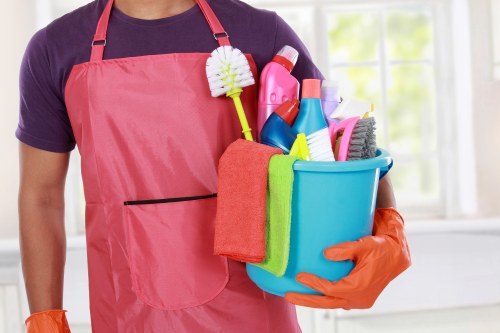
Communal area cleaning is one of the most important services for any shared property, yet it is often overlooked until problems become visible. Hallways, stairwells, lobbies, lifts, entrance areas, and shared corridors all experience heavy daily use, which means dust, litter, fingerprints, spills, and general wear build up quickly. In residential blocks, offices, apartment buildings, and mixed-use developments, these spaces are the first places people notice when they enter a property.
Clean communal spaces do far more than improve appearance. They help support hygiene, reduce slip risks, protect fixtures and surfaces, and create a more pleasant environment for residents, visitors, and staff. For property managers and landlords, regular communal area cleaning also helps preserve the value of the building and can reduce complaints linked to poor upkeep.
When managed properly, communal area cleaning contributes to a positive first impression, better tenant satisfaction, and a healthier shared environment. It is not simply about making a space look tidy; it is about maintaining standards across high-traffic areas where cleanliness has a direct effect on comfort and safety.
What Communal Area Cleaning Includes
Communal area cleaning services can vary depending on the size and type of building, but they usually cover all shared and regularly used spaces. The goal is to keep these areas clean, hygienic, and presentable throughout the week, even in locations with constant footfall.
A typical communal area cleaning routine may include the following tasks:
- Vacuuming carpets and mats
- Sweeping and mopping hard floors
- Cleaning entrance doors, glass panels, and frames
- Dusting skirting boards, handrails, ledges, and shelves
- Wiping down mailboxes, intercoms, and switches
- Sanitising touchpoints such as handles and buttons
- Removing litter from corridors and entrances
- Cleaning lifts, lift buttons, and mirrors
- Maintaining stairwells and landings
- Cleaning communal windows and accessible surfaces
Depending on the property, the schedule may also include bin area cleaning, spill response, cobweb removal, and periodic deep cleaning. Each building has its own demands, so a tailored approach works best.
The Benefits of Regular Communal Area Cleaning

One of the main reasons property owners invest in communal area cleaning is the wide range of benefits it provides. These benefits extend beyond visual appeal and play a major role in the day-to-day experience of everyone who uses the building.
1. Improved hygiene and reduced germ spread
Shared spaces are touched by many different people throughout the day. That makes them hotspots for bacteria and viruses. Regular cleaning and disinfection of touchpoints can help lower the risk of cross-contamination and support a healthier environment.
2. Better safety for residents and visitors
Spills, debris, and moisture on floors can create slip and trip hazards. A reliable communal area cleaning schedule helps identify and remove these hazards quickly, which is especially important in stairwells, lobbies, and entranceways.
3. A stronger first impression
A clean entrance or hallway tells people the building is cared for. Whether it is an apartment block, office complex, or managed property, tidy shared areas signal professionalism and attention to detail.
4. Protection of surfaces and fixtures
Dust, grime, and neglected spills can damage flooring, walls, glass, and metal fittings over time. Routine communal area cleaning helps extend the life of these assets and can reduce the need for costly repairs or replacements.
5. Higher resident and tenant satisfaction
People naturally feel more comfortable in a well-maintained building. Clean shared areas can reduce complaints, support retention, and make everyday life more pleasant for everyone in the property.
Key Areas That Need Attention in Communal Area Cleaning
Different buildings have different layouts, but some spaces always require close attention. A successful communal area cleaning service focuses on the zones that see the most traffic and the most visible buildup of dirt.
Entrance halls and foyers
The entrance is one of the most important areas to keep spotless. It sets the tone for the whole building and is usually the first point where dirt is tracked in from outside. Mats, glass doors, reception desks, and flooring should all be included in the cleaning routine.
Staircases and landings
Stairwells are used frequently but often receive less attention than other spaces. Dust, litter, and marks on handrails can build up quickly. Regular sweeping, mopping, and wiping are essential.
Corridors and hallways
Long shared corridors are highly visible and can show dust and marks easily. Communal area cleaning in these spaces should cover floors, walls, edges, skirting, lighting switches, and any shared fixtures.
Lifts and lift lobbies
Elevators are among the most frequently touched shared surfaces in any building. Buttons, doors, mirrors, and floor corners should be cleaned and sanitised regularly to maintain a hygienic environment.
Bin storage and refuse areas
Waste zones can create odours, pests, and hygiene concerns if not maintained properly. These areas should be cleaned frequently and inspected for leaks, spills, and overflowing waste.
Other important spaces
Communal area cleaning may also include:
- Shared laundry rooms
- Cycle storage areas
- Parking entrances
- Mailrooms
- Common lounges
- External walkways
How Often Should Communal Area Cleaning Be Done?
The right cleaning frequency depends on how many people use the building and how quickly dirt accumulates. A busy apartment block may need daily communal area cleaning, while a smaller property may only require a few visits per week. The key is consistency.
For high-traffic buildings, daily service often makes the biggest difference. This may include litter removal, floor cleaning, and sanitising touchpoints. In quieter properties, a weekly plan may be enough for general upkeep, with additional deep cleaning scheduled monthly or quarterly.
Seasonal changes can also affect cleaning needs. Wet weather increases mud and moisture inside entrances, while winter months may bring salt residue, slush, and more frequent floor cleaning. In summer, dust and odours may become more noticeable. A flexible approach ensures communal area cleaning remains effective all year round.
Professional Communal Area Cleaning vs In-House Cleaning
Some property managers choose to assign communal cleaning tasks to in-house staff, while others rely on an external cleaning company. Both options can work, but professional cleaning services often bring advantages in consistency, expertise, and equipment.
In-house cleaning
In-house staff can be a good choice for smaller buildings or properties with limited cleaning requirements. This option may offer more direct oversight, but it can also be harder to maintain coverage during holidays, staff absence, or busy periods.
Professional cleaning services
Outsourcing communal area cleaning often provides a more reliable and structured solution. Experienced cleaners understand how to manage shared environments, use suitable products, and follow building-specific instructions. They can also bring specialised equipment for deep cleaning, floor care, and sanitising high-touch areas.
Why many properties prefer professionals
- Consistent scheduling
- Better attention to detail
- Access to commercial-grade equipment
- Flexible service plans
- Reduced burden on property teams
For many busy buildings, professional communal area cleaning offers the most practical balance of quality and efficiency.
Cleaning Methods That Help Deliver Better Results
Effective communal area cleaning is not just about doing tasks quickly. It is about using the right methods for each surface and each area of the building. Different materials require different care, and a good cleaning approach protects both appearance and durability.
Floor care
Floors experience the most wear in shared spaces. Vacuuming removes dust and debris from carpets, while sweeping and mopping help maintain hard surfaces. In some buildings, machine cleaning or periodic deep cleaning may be necessary to remove embedded dirt.
Touchpoint sanitation
High-touch surfaces such as door handles, lift buttons, railings, and intercom panels should be cleaned frequently. This is a major part of hygienic communal area cleaning and helps reduce the spread of germs.
Glass and surface detailing
Marks on glass doors, mirrors, and windows are easy to notice. Regular wiping keeps these areas looking clear and polished. Detailing also helps remove dust from ledges, frames, corners, and other overlooked spots.
Odour control
Shared areas can develop unpleasant smells from bins, damp, or poor ventilation. Cleaning should include deodorising steps when needed, especially in waste rooms and enclosed corridors.
Communal Area Cleaning for Different Property Types
Not all properties have the same cleaning needs. A flexible communal area cleaning plan should match the building type, usage patterns, and level of resident movement.
Apartment blocks
Residential apartment buildings often need regular hallway, staircase, lift, and entrance cleaning. These spaces are used by residents, visitors, delivery personnel, and maintenance teams, so cleanliness can decline quickly without a set routine.
Office buildings
In office settings, communal areas may include reception zones, shared kitchens, break rooms, corridors, and restroom-adjacent spaces. These environments often require more frequent sanitisation because many people use them throughout the working day.
Mixed-use developments
Where residential and commercial units share the same building, cleaning demands can be more complex. The service must balance different patterns of use, access points, and hygiene expectations.
Student accommodation
Student housing usually experiences high occupancy and heavy use of common areas. Communal area cleaning in these buildings often needs to be frequent and responsive, especially in kitchens, corridors, and entrance spaces.
Managed estates and housing complexes
Large estates often include both internal and external shared areas. In these settings, cleanliness affects not only appearance but also community standards and long-term maintenance costs.
What Makes a Good Communal Area Cleaning Plan?
A strong cleaning plan should be practical, measurable, and adapted to the building’s needs. It should define what gets cleaned, how often, and by whom. Without a clear plan, standards can vary and key areas may be neglected.
Important elements of an effective plan
- Site assessment to identify traffic levels and problem areas
- Custom frequency based on building usage
- Task list covering all shared spaces
- Quality checks to maintain standards
- Communication process for reporting issues
- Flexible response for spills, emergencies, and seasonal needs
A detailed plan also helps build accountability. When everyone understands what should be done, communal area cleaning becomes more consistent and easier to manage over time.
How Communal Area Cleaning Supports Property Value
Clean shared spaces are not only pleasant to use; they can also help protect a property’s long-term value. A building that looks neglected can discourage interest and create a negative reputation, while a well-kept property suggests responsible management.
Communal area cleaning helps prevent the gradual decline that can occur when dirt, stains, and wear are ignored. By keeping floors, walls, fixtures, and shared features in good condition, property owners can reduce the need for major cosmetic repairs. This matters in rental properties, managed developments, and commercial premises where presentation influences perception.
There is also a practical financial benefit. Preventive cleaning may help reduce repair costs by preserving finishes and spotting minor issues early, such as leaks, cracked fittings, or damaged flooring. In other words, cleanliness can support both appearance and asset care.
Common Challenges in Communal Area Cleaning
Although the process sounds straightforward, shared spaces bring a unique set of cleaning challenges. Knowing what to expect can help property managers choose the right service and avoid recurring problems.
Heavy foot traffic
When people constantly enter and leave a building, dirt is quickly carried in from outside. This means more frequent sweeping, vacuuming, and mopping are often required.
Lack of ownership
In shared environments, no single person feels fully responsible for tidiness. Litter, clutter, and small messes can be left behind unless there is a clear maintenance schedule.
Different expectations
Residents, tenants, and building managers may all have different ideas about what “clean” means. A good communal area cleaning service helps establish a standard that works for everyone.
Hard-to-reach areas
Corners, light fittings, vents, and high ledges often get missed during rushed cleaning. Detailed work matters because dust and cobwebs are more visible than many people expect.
Unexpected messes
Spills, broken glass, waste leaks, and weather-related debris can appear without warning. An effective cleaning approach should allow for quick response when issues arise.
Choosing the Right Communal Area Cleaning Service
When selecting a cleaning provider, it helps to focus on more than price alone. Quality, consistency, and reliability are especially important for shared spaces where many people depend on a high standard of hygiene.
Look for these qualities
- Experience with communal area cleaning
- Clear cleaning schedules and task lists
- Well-trained staff
- Use of safe and effective products
- Good communication and issue reporting
- Flexible services for different property types
It is also smart to choose a provider that understands how shared environments work. Communal area cleaning requires attention to detail, respect for residents or tenants, and the ability to work efficiently without disrupting daily routines.
Book your service now if your property needs a cleaner, safer, and more professional shared environment. Contact us today to take the next step toward reliable communal area cleaning that supports your building every day.
Final Thoughts on Communal Area Cleaning
Well-maintained shared spaces make a powerful difference to how a property feels and functions. From entrances and corridors to lifts and stairwells, communal area cleaning helps create an environment that is cleaner, safer, and more inviting for everyone.
It supports hygiene, improves presentation, reduces hazards, and helps protect building assets over time. Whether you manage a small block or a large multi-unit development, a regular and professional approach to communal area cleaning can make daily life more comfortable and create a stronger impression for everyone who walks through the door.
If your shared spaces need better care, now is the right time to act. Book your service now and make communal area cleaning a dependable part of your property maintenance plan.